Scottsdale covers a lot of ground, from walkable Old Town condos to master-planned golf communities in the north. Each part of the city tends to bring its own financing questions, so the best preparation is knowing which ones apply to the homes you are considering.
How Scottsdale’s geography shapes your loan
Broadly, south and central Scottsdale lean toward condos, townhomes and established single-family neighborhoods, while North Scottsdale leans toward larger homes on bigger lots, often inside gated or golf communities. That split affects loan size, HOA review and property type.
I generally start Scottsdale conversations with three questions: Is it a condo? Will the loan amount be conforming or jumbo? And will you live there full time, part time or rent it out?
Old Town and south Scottsdale condos
Old Town offers restaurants, galleries and nightlife within walking distance, and a lot of the housing is condos and townhomes. These can be a great fit, but the condo project itself goes through lender review, not just the unit.
Condo project approval and warrantability
For conventional financing, a lender looks at whether the project is “warrantable.” Factors typically include:
- The share of units that are owner-occupied versus rented
- HOA budget, reserves and delinquency levels
- Whether any single entity owns a large share of units
- Pending litigation involving the HOA
- Commercial space in the building
- Short-term rental activity or hotel-style operations
Projects with heavy short-term rental use or condo-hotel features can be harder to finance conventionally. A non-warrantable condo can often still be financed through other loan products, typically with different down payment and pricing terms. FHA and VA have their own separate project approval processes as well.
My advice: ask for the HOA questionnaire and budget early, before you are deep into your inspection period. If the project raises questions, it is far easier to adjust your loan plan, or your search, at that stage than a week before closing.
Condo budgets beyond the mortgage
Condo dues in Scottsdale often cover things like exterior maintenance, insurance on the building, landscaping and shared amenities such as pools and fitness rooms. That can make a higher monthly due more reasonable than it first looks. Still, lenders count the full amount, and special assessments for roofs or other major projects can affect both your budget and the project review, so read recent HOA meeting minutes when you can.
McCormick Ranch and Gainey Ranch
These established central Scottsdale communities feature greenbelts, lakes, golf and a mix of single-family homes, townhomes and patio homes. Many properties sit within master associations plus a sub-association, which means two sets of dues in some cases. Both count toward your monthly housing payment when you qualify.
North Scottsdale: DC Ranch, Grayhawk, Troon and beyond
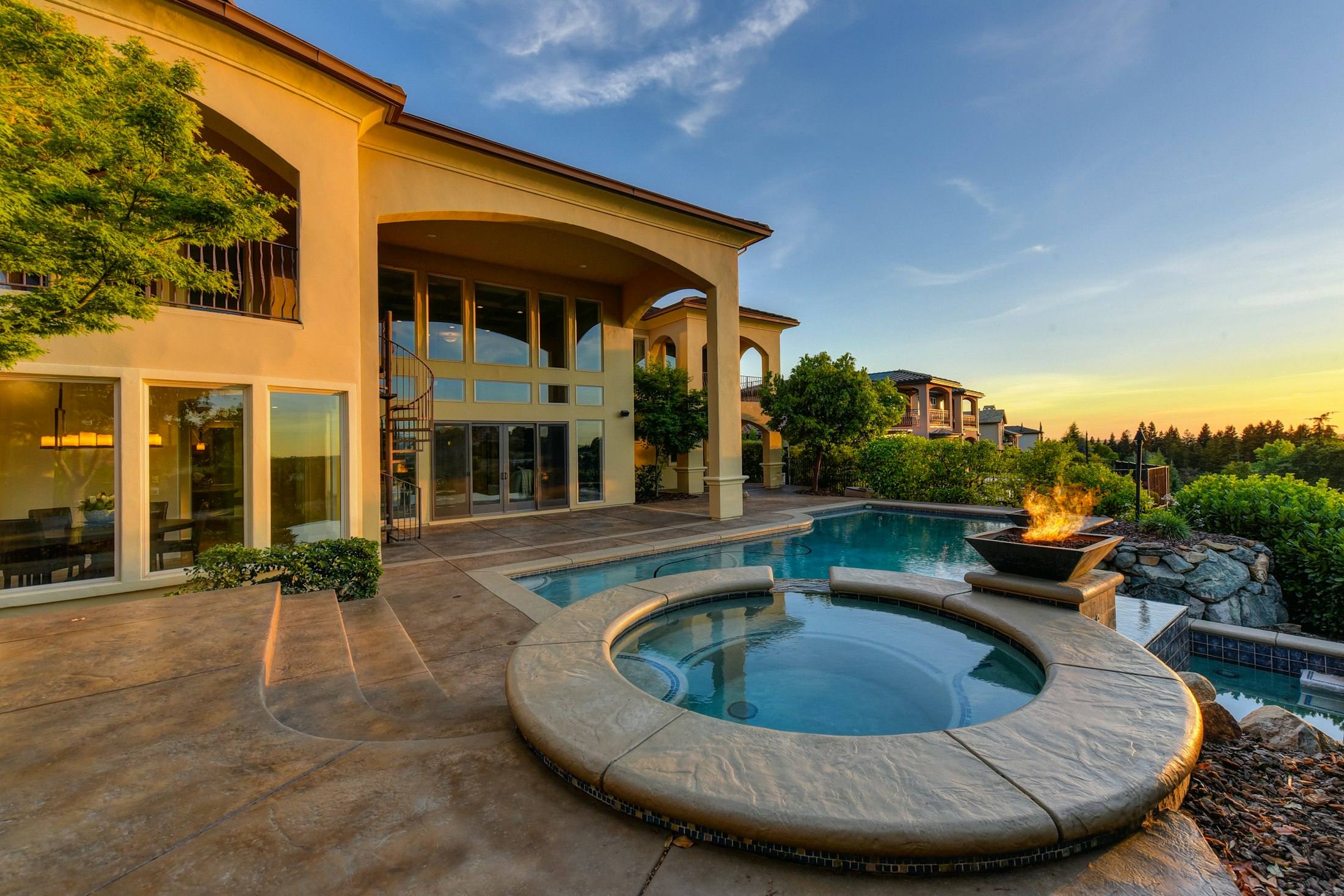
North Scottsdale is known for desert views, larger custom and semi-custom homes and amenity-rich communities. DC Ranch, Grayhawk, Troon and similar areas often include gated sections, golf courses and community centers.
Golf and HOA communities
Golf communities can involve HOA dues, possible gate or security fees and, separately, club memberships. Some memberships are optional and some are tied to the property. Lenders include HOA dues in your ratios; mandatory club fees may need to be reviewed as well. Get the details in writing early so there are no surprises in underwriting.
Jumbo financing
Many North Scottsdale homes, and some in Paradise Valley-adjacent areas, call for loan amounts above the conforming limit. That is where jumbo loans come in. Jumbo guidelines vary by lender but commonly involve:
- Larger down payments than many conforming loans
- Stronger credit profiles
- Cash reserves measured in months of payments after closing
- More detailed documentation of income and assets
- Sometimes a second appraisal at higher loan amounts
Some buyers structure a larger down payment to stay within conforming limits. Others prefer jumbo to keep more cash available. Neither is automatically better; it depends on your full financial picture.
Key takeaway: In Scottsdale, the three questions that most often decide your loan are condo approval, conforming versus jumbo loan size, and whether the home is a primary residence, second home or investment.
Buying a second home in Scottsdale
Scottsdale is a popular second-home market, especially for buyers spending winters in Arizona. Second-home financing is common, but occupancy matters.
A second home generally needs to be a property you use personally for part of the year, suitable for year-round living and not primarily used as a rental. If your plan is to rent it out most of the time, including short-term rentals, it will usually be treated as an investment property, which has different down payment, pricing and qualification rules. Being upfront about how you plan to use it protects you and keeps the process smooth.
Where assumable loans fit
Assumable mortgages are less common in Scottsdale’s higher price ranges, since FHA and VA loans there are less frequent and assumptions involve covering the gap between price and balance. Still, they do appear, particularly among townhomes and entry-level properties. If a listing has an FHA or VA loan, it is worth asking. Assumptions are subject to servicer approval and buyer qualification, and investors generally cannot assume FHA loans. See Arizona assumable mortgages for the full picture.
Getting started
Before touring, I recommend getting clarity on your loan amount range, whether you will be conforming or jumbo, and how condo and HOA review could affect your search. You can compare neighborhoods using my guide to buying a home in Phoenix as well, or visit my Scottsdale mortgage loan officer page to talk through your plans.