Phoenix is less one market than a collection of very different neighborhoods that happen to share a zip code prefix. The right loan depends heavily on which part of the city you are buying in and what kind of home you are buying, so it pays to think about financing early, not after you fall for a house.
Why financing should come first in Phoenix
A 1950s ranch in central Phoenix, a downtown condo and a newer build in Laveen can all sit at similar price points and still call for very different loans. Condo approval rules, HOA dues, property condition and solar agreements all shape what is possible.
When I work with Phoenix buyers, I like to start with the payment they are comfortable with and the type of home they want, then work backward to the loan. If you have not done that yet, my guide on how much house you can afford in Arizona is a good place to begin.
Neighborhood character across Phoenix
Every neighborhood has its own feel, and each tends to bring its own financing considerations. Here is a qualitative look at a few.
Arcadia, Biltmore and North Central
Arcadia is known for larger lots, citrus trees and views toward Camelback Mountain, with many original ranch homes either remodeled or replaced. The Biltmore area mixes established single-family homes with condos and townhomes close to shopping and offices. North Central has a quieter, tree-lined feel with large lots along its corridors.
Price points in these areas can push some purchases into jumbo loan territory, so it is worth confirming early whether your loan amount will be conforming or jumbo.
Historic districts: Willo, Encanto-Palmcroft and others
Central Phoenix’s historic districts offer bungalows, Tudor revivals and Spanish-style homes from the early to mid-twentieth century. They have real charm, and they also have older systems. Appraisers and underwriters will pay attention to roofs, wiring, plumbing and any safety issues, and FHA and VA loans have their own minimum property requirements.
Ahwatukee and Desert Ridge
Ahwatukee, tucked against South Mountain, and Desert Ridge in the north are more master-planned in character, with newer construction, community amenities and HOAs. These areas often suit buyers who want predictable layouts and newer systems.
Laveen and the South Mountain area
Laveen and nearby South Mountain neighborhoods offer a mix of newer subdivisions and larger rural-feeling lots. Newer builds here may carry HOA dues, and some homes may be eligible for programs with location-based rules, so it is worth asking.
Housing types and what they mean for your loan
- 1950s and 1960s ranch homes: Common throughout central Phoenix. Often straightforward to finance, but check roof age, cast iron plumbing and electrical panels.
- Historic bungalows: Appealing but older. Expect closer scrutiny of condition and plan for repairs in your budget.
- Condos and townhomes: The project itself matters. Lenders review the HOA’s finances, owner-occupancy mix and litigation, and FHA and VA have their own approval processes.
- Newer builds and resales: Usually simplest from a condition standpoint, though HOA dues and any special assessments still count.
Arizona-specific costs to plan for
Some costs are easy to overlook if you are coming from another state.
HOA dues
Many newer Phoenix communities and nearly all condos have HOA dues. Lenders include them in your monthly housing payment when calculating your debt-to-income ratio, so a lower price with higher dues does not always mean a lower payment.
Pools
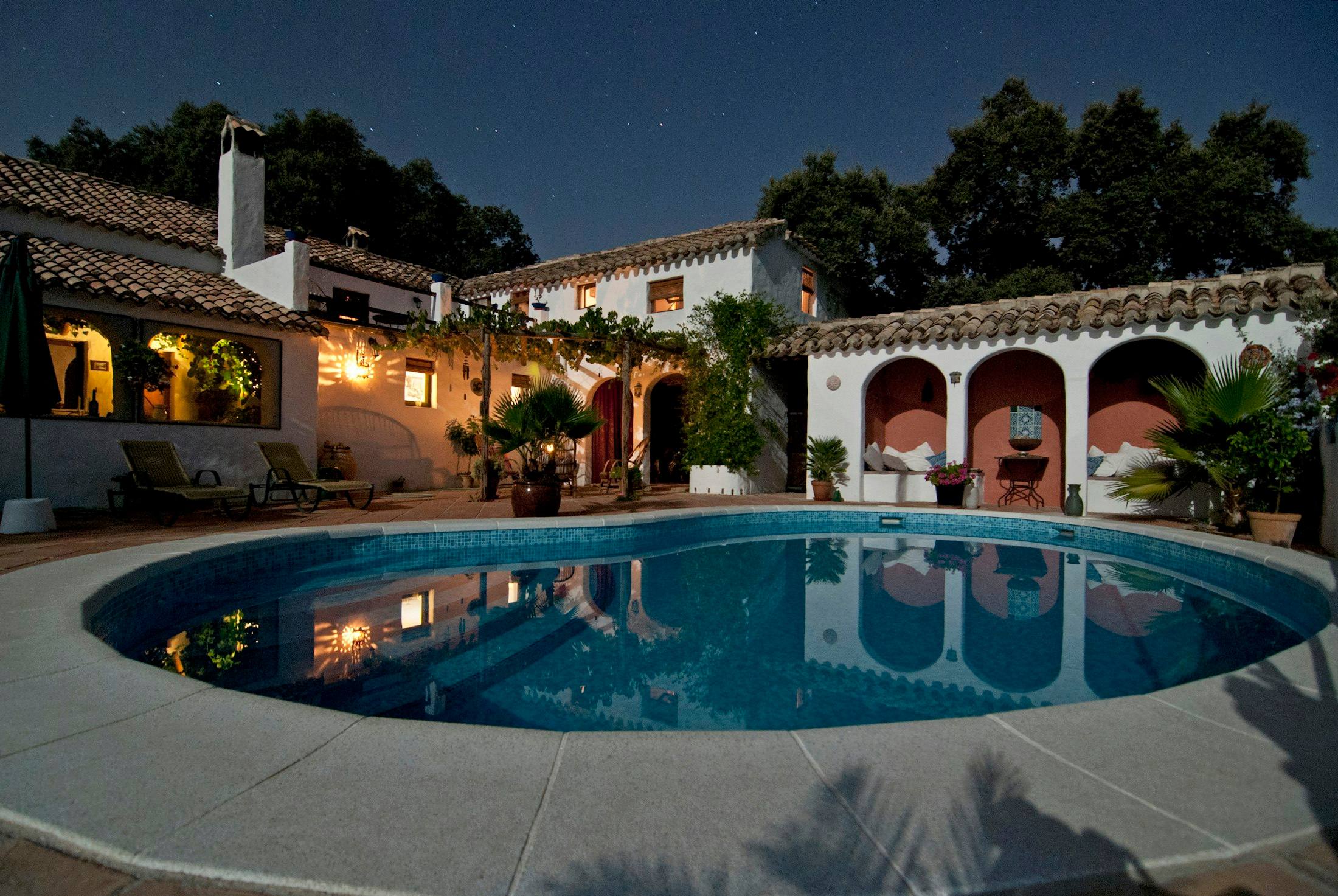
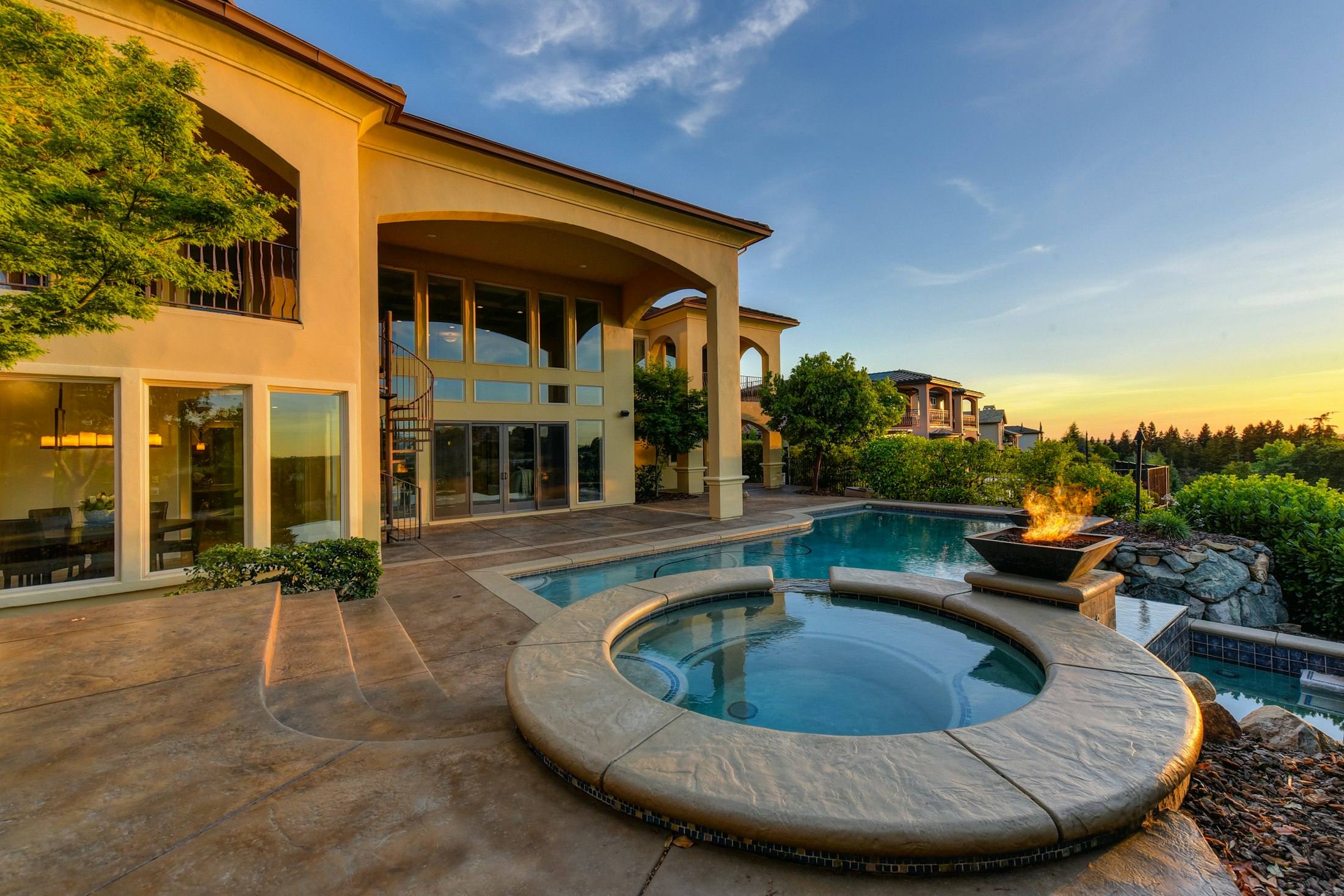
A pool is a lifestyle feature here, but it comes with ongoing maintenance, chemicals, equipment repairs and higher water and electric use. Make sure the pool equipment is inspected, and budget for upkeep.
Summer cooling costs
Summer electric bills can be significant, especially for older homes with single-pane windows or aging HVAC systems. Lenders do not typically count utilities in your ratios, but your real budget should. Ask the seller for past utility bills if possible.
Solar leases and power purchase agreements
This is one I always flag. Owned solar panels generally transfer with the home. Leased panels and power purchase agreements (PPAs) are different: the agreement usually must be transferred to the buyer, the solar company has its own approval process, and the lender will want to review the terms. A lease payment may be counted in your debt-to-income ratio, and some agreements can complicate appraisals or even an assumption. Get the solar paperwork early.
Two guides go deeper on these costs: Maricopa County property taxes and Arizona closing costs.
Key takeaway: In Phoenix, the home’s age, HOA, pool and solar setup can matter as much as the price. Identify those details early and your loan choice usually becomes clear.
Matching the loan to the property
- Conventional loans are a common fit for many Phoenix purchases, with flexibility on property types and down payments.
- FHA loans allow down payments as low as 3.5% for eligible borrowers and can work well for first-time buyers, though condos must meet FHA approval requirements and older homes must meet property standards.
- VA loans can offer eligible veterans and service members financing with no down payment in many cases, subject to VA property requirements.
- Jumbo loans may come into play in Arcadia, the Biltmore area or North Central depending on the loan amount.
Don’t overlook assumable mortgages
Some Phoenix homes carry an existing FHA, VA or USDA loan that may be assumable. If the seller’s rate is lower than what you could get today, taking it over can meaningfully change the payment. Assumptions are subject to servicer and agency approval and buyer qualification, often take longer than a typical purchase, and you will need to cover the difference between the price and the loan balance. Learn more on my Arizona assumable mortgages page.
Next steps
Before you tour seriously, get a clear picture of your numbers and the loan types that fit the homes you like. Read more about prequalification vs. preapproval, or visit my Phoenix mortgage loan officer page to start a conversation about your specific search.